
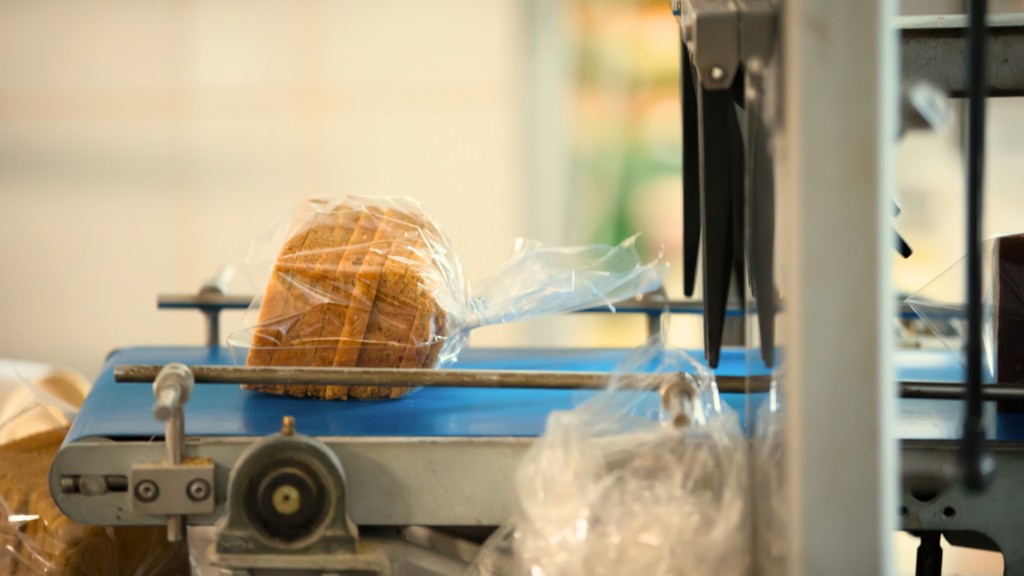
Simpler Ingredients, Smarter Packaging: Protecting Shelf Life as Formulations Change
Questions This Blog Will Answer
- Why can foods with simpler ingredient lists become more challenging to protect?
- How do oxygen, moisture, packaging materials and distribution conditions influence shelf life?
- Why should packaging be evaluated alongside formulation changes?
- How can testing and simulation reduce uncertainty before commercialization?
- How can automation help translate a successful packaging strategy to production?
Simpler Formulations Can Create More Complex Packaging Challenges
Food manufacturers are responding to demand for simpler formulations, recognizable ingredients and fewer traditional preservatives. That shift can create meaningful product differentiation, but removing or reducing ingredients that once supported stability may also change how a food responds to oxygen, moisture and time. A reformulation that looks straightforward on an ingredient statement can therefore create a new packaging challenge.
The right question is not simply whether a product can be made with fewer ingredients. It is whether the entire product and package system can protect the desired quality through the intended shelf life. Baked goods, snacks, tortillas, protein products and other foods can respond differently to environmental exposure depending on formulation, water activity, fat content, package barrier and storage conditions. That makes packaging part of the formulation strategy, not a decision to address after the formula is complete.
Understand What Changed Before Selecting the Solution
When an ingredient is removed, replaced or reduced, teams should consider what that ingredient contributed beyond flavor or label appeal. Did it help limit oxidation? Manage moisture? Slow quality changes? Support texture? If the formulation changes, the protection requirement may change with it.
Oxygen can contribute to oxidation, off-flavors, discoloration, nutrient degradation and other quality changes in susceptible foods. Moisture can create a different set of problems, including loss of crispness, clumping, texture changes or conditions that shorten acceptable shelf life. The package itself also matters. Headspace, seal integrity, package geometry, oxygen transmission and moisture vapor transmission all influence the environment surrounding the food.
This is why selecting an oxygen absorber or moisture-control solution based only on a previous product, package size or rule of thumb can create unnecessary risk. The protection strategy should reflect the actual product, package and distribution environment.
Test Before Commercialization
Packaging decisions become more valuable when they are made early enough to influence development. Multisorb evaluates product characteristics, packaging materials, environmental conditions, degradation profiles and shelf-life goals to help determine how oxygen and moisture may behave within a package. Simulation and laboratory testing can then support selection of the appropriate active packaging technology, capacity and format.
This approach helps teams evaluate a packaging concept before committing to a full commercial launch. Instead of discovering a shelf-life problem after scale-up, manufacturers can use data to compare options, identify sensitivities and refine the package while changes are still easier to make.
Testing does not eliminate every variable a product may encounter, but it can reduce uncertainty. It also creates a more informed foundation for shelf-life studies and commercialization decisions.
Connect Shelf-Life Protection to Food-Waste Reduction
A product that loses acceptable quality before its intended shelf life can create waste throughout the value chain. Product may be held, discounted, returned or discarded. Retail reach may also be limited if the remaining shelf life is not sufficient for distribution and merchandising.
Protecting product quality for the intended shelf life can therefore support more than a date printed on the package. It can help manufacturers protect saleable product, expand distribution confidence and reduce avoidable waste associated with premature quality loss. For foods designed around simpler ingredient statements, that makes packaging performance especially important: the package has to help do more of the protective work without undermining the formulation strategy.
Plan for the Production Line, Not Just the Lab
A packaging solution also has to work at commercial speed. Once the appropriate sorbent format is identified, manufacturers should consider how it will be introduced consistently into the package without creating unnecessary labor, downtime or process variability.
Multisorb combines active packaging expertise with Active-Pak Automation® dispensing equipment, allowing teams to consider both product protection and production requirements. Equipment can be evaluated around line speed, package format, available footprint, changeover needs and integration requirements. This connection between science and automation helps move a protection strategy from development into repeatable production.
Commercialization planning should also include the conditions the product will experience beyond the plant. A package may leave production in specification and still encounter seasonal humidity, temperature changes, warehouse dwell time or longer distribution routes. Evaluating realistic conditions during development helps teams avoid optimizing only for the day of packaging. It also gives food R&D, quality, packaging and operations a shared technical basis for deciding when a formulation is ready to scale.
Simpler ingredients do not have to mean accepting shorter shelf life or greater operational complexity. They do require a smarter view of the package. By evaluating the formulation, package, environment, active packaging and production process as one system, food manufacturers can make more informed decisions before commercialization and build a protection strategy designed to perform from the line through distribution.
Connect with Multisorb’s Team of Experts to Learn More
Our in-house experts are here to help.
Ready to Simplify Ingredients and Protect Shelf Life
Make more informed decisions before commercialization and build a protection strategy.