
Performance is Measured, Not Assumed
In pharmaceutical packaging, performance cannot be assumed—it must be measured.
Moisture control is one of the most critical factors in maintaining product stability. Even minimal exposure can degrade active ingredients, impact dissolution rates, and reduce shelf life. Yet many packaging decisions continue to rely on legacy formats without fully evaluating performance differences.
Traditional loose-fill desiccants introduce variability into the system. Inconsistent fill weights, material separation, and residual moisture content all contribute to performance inconsistencies. These variations are often invisible but can significantly impact product outcomes.
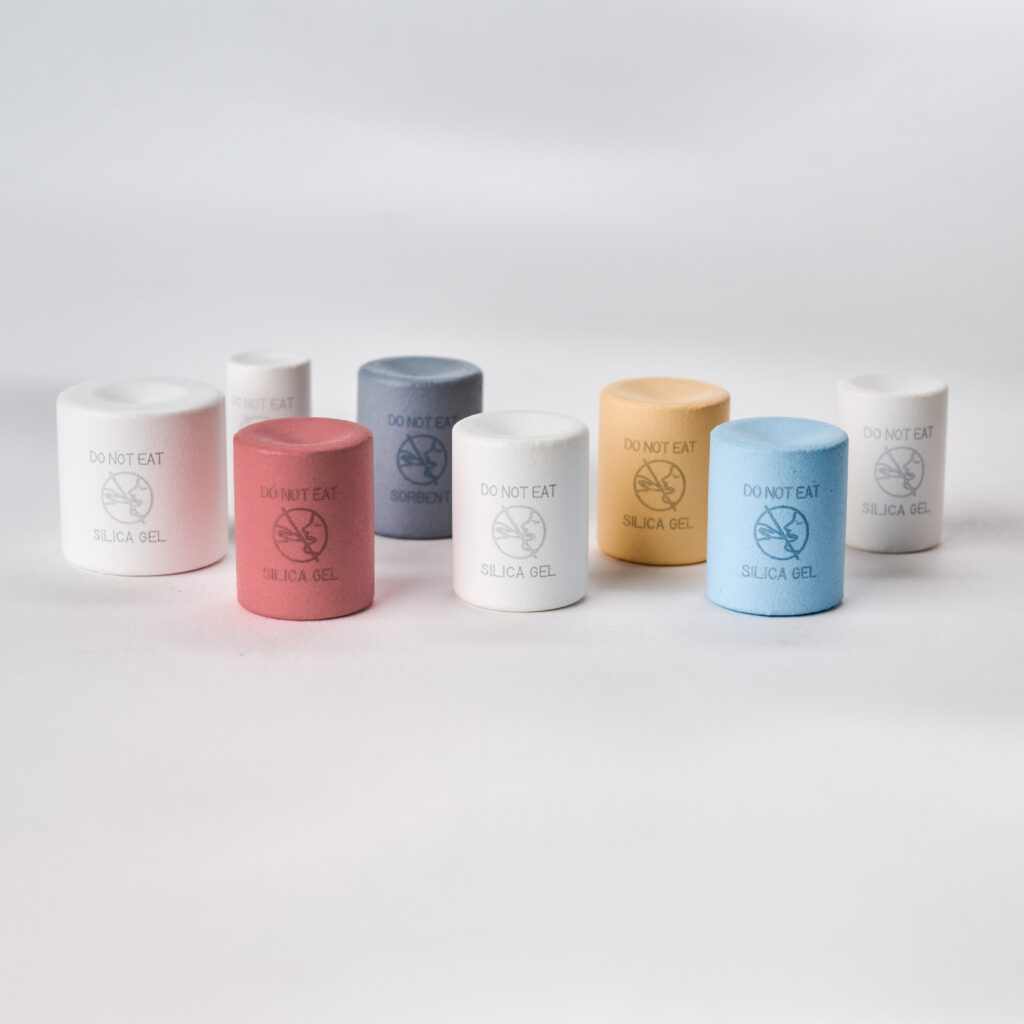
Compressed Solid Form (CSF) desiccants address this challenge by delivering a uniform, controlled structure. This eliminates variability and ensures consistent adsorption performance across every unit.
Performance is not just about total capacity—it is about efficiency and consistency over time. CSF has demonstrated up to a 100mg improvement in adsorption efficiency per unit volume, depending on the application.
Residual moisture, or loss on drying (LOD), is another critical factor. Lower LOD values reduce the introduction of moisture into the package, improving overall stability.
Pharmaceutical manufacturers are increasingly shifting toward data-driven decision-making. Rather than relying on assumptions, they are evaluating packaging components based on measurable performance metrics.
This shift reflects a broader trend: packaging is being recognized as a critical component of product performance, not just a container.
When performance is measured, opportunities for improvement become clear. And in a regulated environment, those improvements can translate directly into reduced risk, improved compliance, and better product outcomes.
In today’s environment, data is not optional—it is the foundation for reliable performance.