
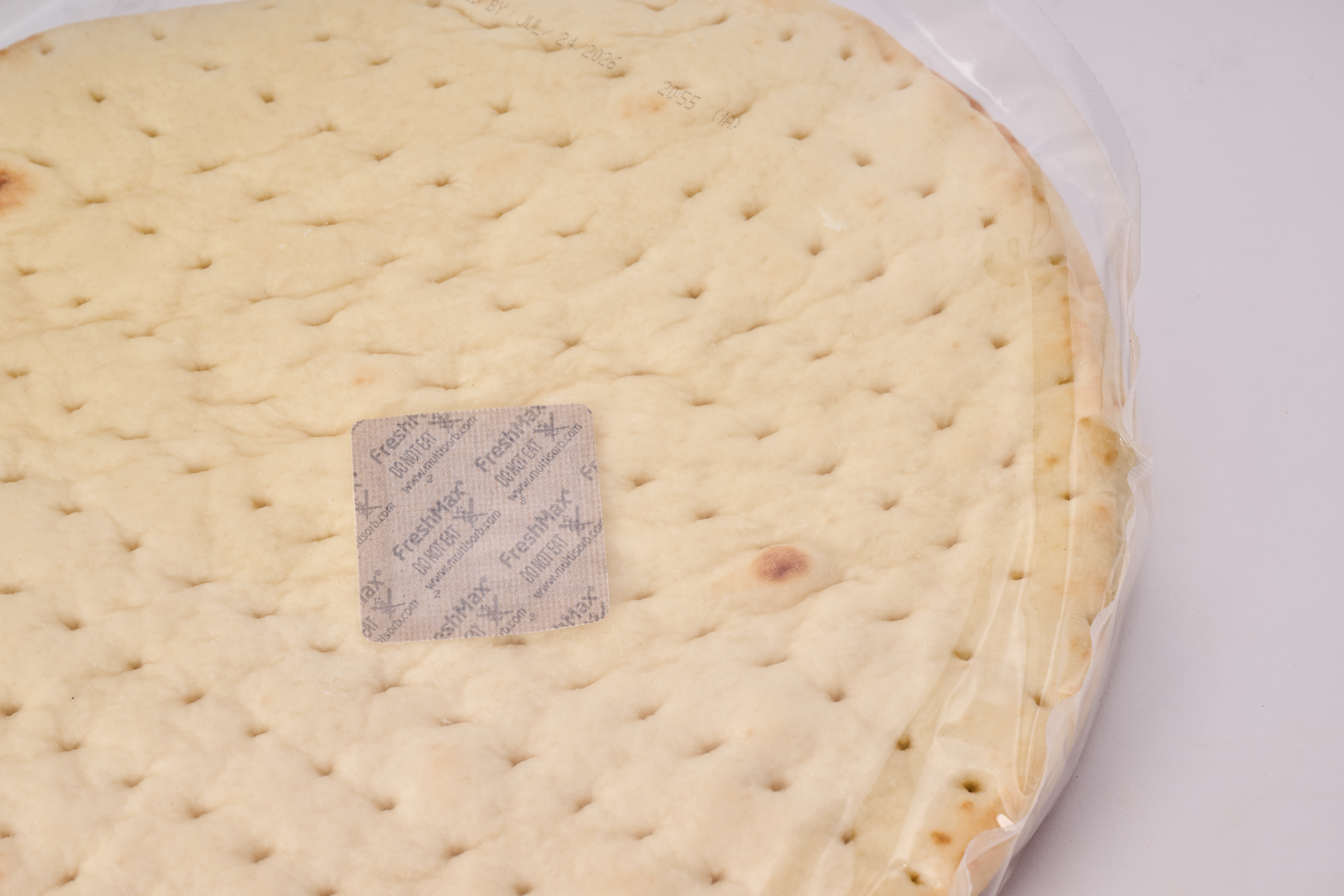
Shelf Life Starts with Packaging, Not Preservatives
When it comes to extending shelf life, preservatives are often viewed as the default solution, but they are only part of the equation. Shelf life is fundamentally determined by how a product is processed, protected, and packaged.
According to the USDA, foods become “shelf stable” when they are treated through methods such as heat processing or drying to destroy microorganisms, and then sealed in sterile, airtight packaging. This combination of processing and packaging allows products to remain safe and stable at room temperature without relying heavily on additives.
Modern packaging solutions are specifically engineered to block oxygen, limit moisture exposure, and maintain product integrity. While preservatives may help extend shelf life, packaging is what makes shelf life possible in the first place.
Why Packaging Should Be Your First Line of Defense
Advanced solutions such as desiccants and oxygen absorbers work within the package to create optimal conditions for product stability. These technologies help:
- Prevent moisture-related degradation, such as clumping, mold, or texture changes
- Reduce oxidation that leads to spoilage and color loss
- Maintain flavor, aroma, and overall product integrity
- Extend shelf life without altering the product formulation
Multisorb’s sorbent technologies are specifically engineered to preserve freshness by controlling moisture and oxygen levels directly within the package. This approach shifts shelf-life management from reactive to proactive—building protection into the package itself.
By optimizing the internal package environment, manufacturers can achieve longer shelf life while maintaining simpler formulations. Instead of adding more ingredients, they can rely on science-driven packaging solutions to protect product quality from production to consumption. This not only supports transparency but also enhances brand trust.
Packaging Solutions for Shelf Life Performance
Extending shelf life isn’t about a one-size-fits-all approach—it requires targeted solutions designed to address specific product vulnerabilities. Multisorb offers a range of sorbent technologies that actively manage moisture and oxygen within the package, helping manufacturers protect product quality from the inside out.
FreshMax® Oxygen Absorbers are designed to remove residual oxygen from sealed packages. This makes them especially effective for products prone to spoilage, discoloration, or flavor degradation.
FreshSnax® Oxygen Absorbers are optimized for smaller package formats and snack applications. They provide the same oxygen-reducing benefits in a compact form.
Drikette® Paper is a desiccant paper that’s engineered to adsorb excess moisture within the package, helping prevent clumping, texture changes, and microbial growth.
FreshPlus™ (NPD) are designed to address both oxygen and moisture control in a single solution, supporting more complex shelf-life challenges and evolving product requirements.
From Concept to Scale: Integrating Packaging into Your Process
Effective packaging isn’t just about selecting the right sorbent—it’s about integrating it seamlessly into your production process.
High-speed dispensing systems ensure consistent placement of desiccants or oxygen absorbers, supporting both efficiency and accuracy at scale. When properly implemented, these systems help maintain product protection without slowing down operations.
Every product has unique requirements based on its composition, water activity, packaging format, and distribution conditions. Multisorb’s holistic approach ensures that products are protected from the moment they are packaged until they reach the end consumer. Through testing and simulation, the right type and quantity of sorbent can be determined to maximize performance.
Rethinking Shelf Life Strategy
Extending shelf life does not have to mean adding more to an ingredient list. In many cases, the more effective solution is to rethink the package itself.
By controlling the environment inside the package, manufacturers can reduce spoilage, maintain quality, and deliver products that meet both regulatory and consumer expectations. In today’s market, the most effective way to protect a product is not what is added—it is how it is packaged.