
Material Science: The Foundation of Better Package Protection
What You’ll Learn
- Why material science is critical to package protection
- How moisture and oxygen affect product quality
- Why package testing matters
- How scientific insight improves packaging decisions
Packaging is often viewed as the final step before a product reaches the customer.
In reality, it’s one of the most important factors influencing product quality throughout its lifecycle.
Moisture and oxygen are among the leading causes of product degradation, but they don’t behave the same way in every package. Understanding how they move through a packaging system, interact with packaging materials, and affect sensitive products requires more than experience—it requires material science.
Understanding Moisture Migration
Water vapor naturally moves through packaging materials over time.
The rate depends on environmental conditions, packaging structure and material properties.
Even small differences in moisture transmission can significantly affect shelf life for moisture-sensitive products.
Understanding those characteristics allows packaging systems to be designed around product requirements rather than assumptions.
Oxygen Exposure Matters Too
Many products are equally sensitive to oxygen.
Oxidation can impact potency, flavor, color, aroma and overall product stability.
Managing oxygen often requires a combination of packaging design, barrier materials and oxygen scavenging technologies.
Why Testing Is Essential
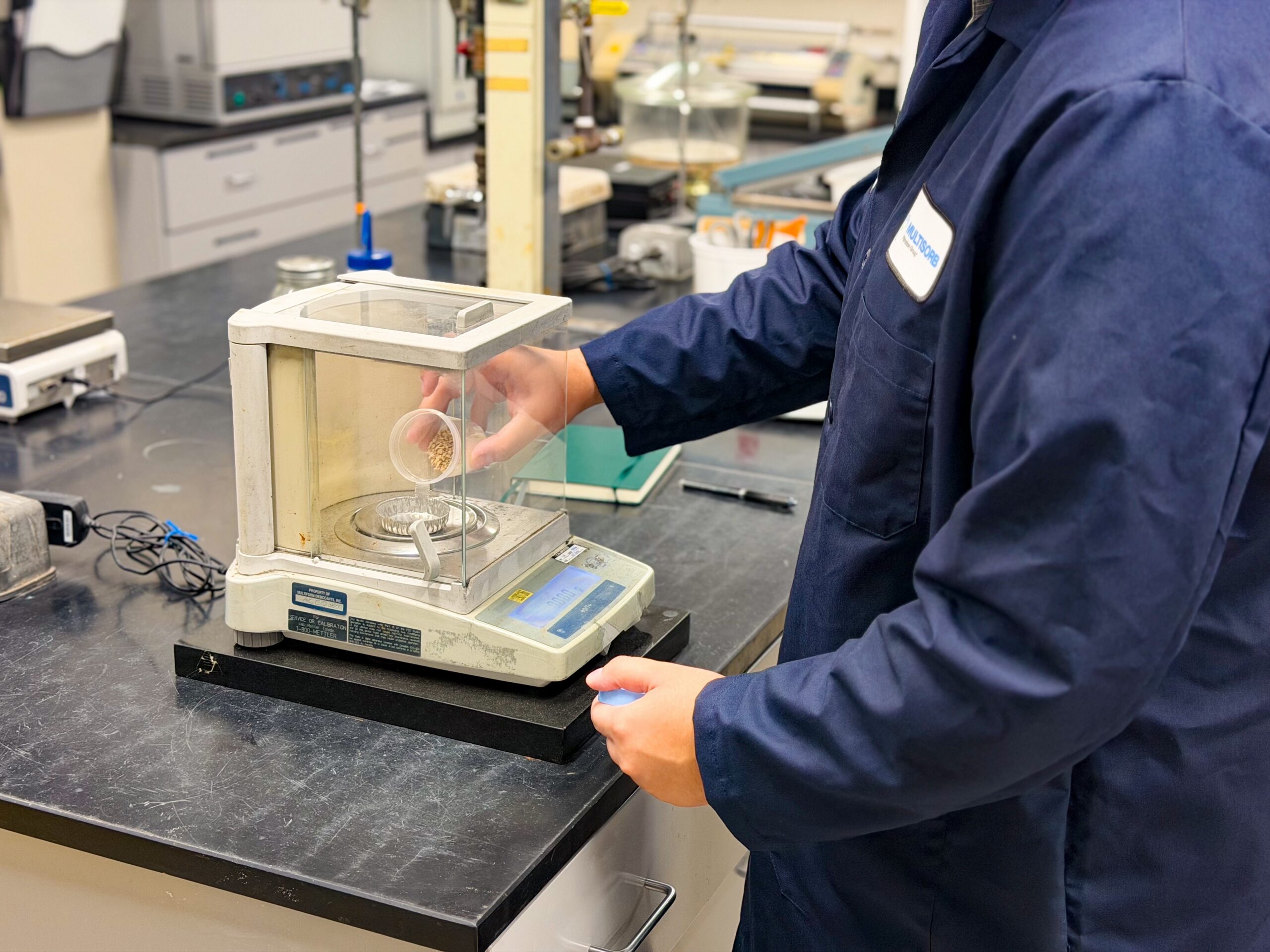
Computer models and historical experience provide valuable guidance, but testing confirms real-world performance.
Accelerated aging studies, environmental testing and package evaluations generate the data needed to make confident packaging decisions.
Testing helps manufacturers validate designs before commercial production and identify opportunities to improve efficiency without sacrificing protection.
Data Supports Better Decisions
Engineering decisions are strongest when supported by measurable evidence.
Rather than relying on generalized recommendations, manufacturers benefit from understanding how different variables interact within their own packaging systems.
Scientific evaluation provides that confidence.
A Collaborative Approach
Material science isn’t limited to the laboratory.
Its greatest value comes when scientists, engineers and customers work together to solve real-world packaging challenges.
That collaboration often leads to solutions that improve performance, reduce waste and support long-term product quality.
This is currently observed in trends where more sustainable packaging designs are being designed. An understanding of the material properties of sustainable packaging design is helping specify solutions to reduce product waste.
Final Thought
The future of package protection won’t be driven by larger product catalogs.
It will be driven by deeper scientific understanding.
Organizations that invest in material science today are better positioned to deliver consistent product quality tomorrow.
Better Package Protection Starts with Scientific Insight
Invest in material science to be better positioned for product quality.