
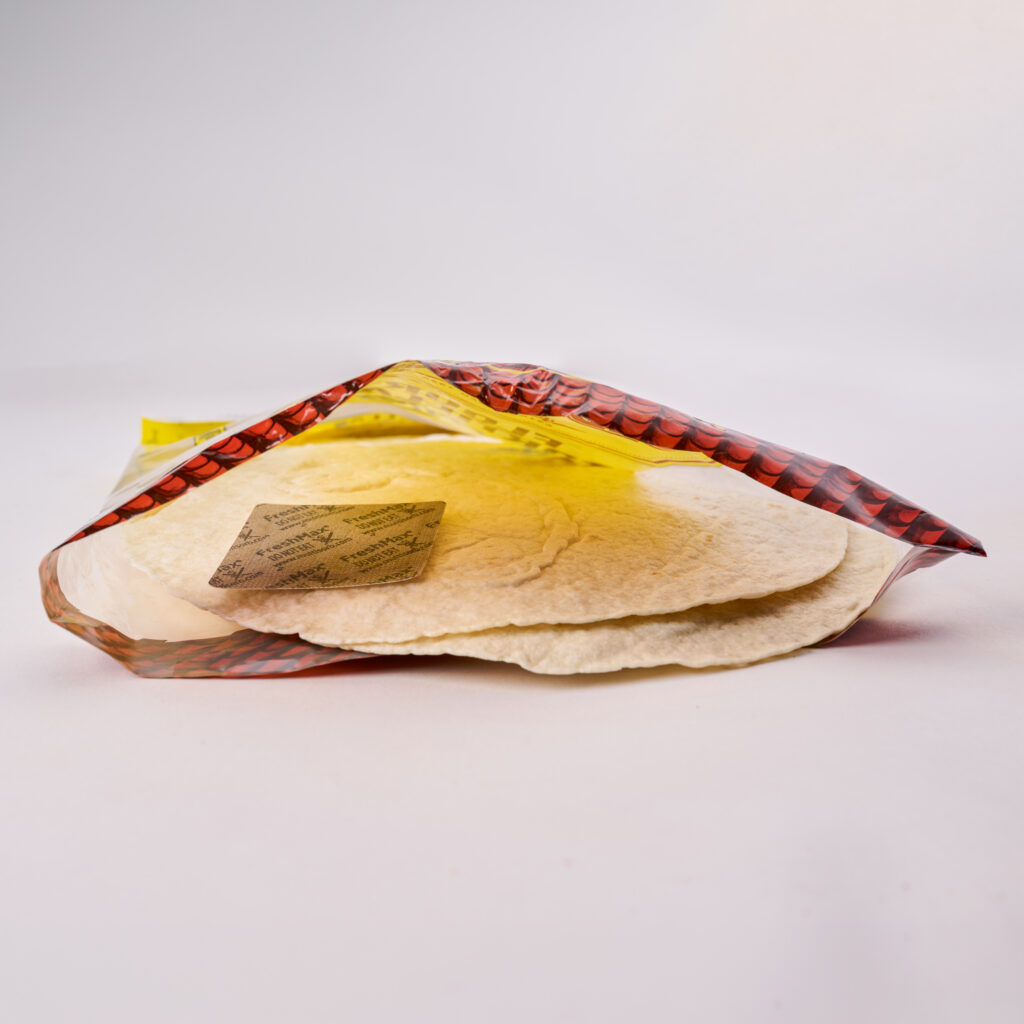
Freshness Without Compromise: Extending Shelf Life Without Sacrificing Clean Labels
What You’ll Learn
- Why shelf life starts with packaging, not just formulation.
- How package protection supports clean-label initiatives without compromising quality.
- Why material science and testing help reduce waste and improve confidence before commercialization.
Questions Answered in This Blog
- Why are clean-label foods more difficult to protect?
- How can packaging technologies naturally extend shelf life?
- Why should manufacturers validate packaging performance before launch?
Walk through any grocery store and you’ll see labels proudly highlighting simple ingredient lists, fewer artificial preservatives and recognizable ingredients. Consumers increasingly associate clean labels with higher quality, better nutrition and greater transparency. While this trend creates marketing opportunities, it also introduces technical challenges for manufacturers.
Preservatives traditionally slowed microbial growth and delayed quality degradation. When they are reduced or removed, the package itself becomes a more important part of protecting the product. Moisture, oxygen and environmental exposure now have an even greater influence on texture, flavor, aroma, appearance and shelf life.
The challenge is no longer simply developing a great product. It is delivering that same product to consumers weeks or months later in the same condition it left the manufacturing line.
Packaging Is Part of the Product System
Packaging should not be viewed as the final step in product development. It is part of the complete product system. Barrier materials, seal quality, package geometry, headspace and package protection technologies all work together to create an environment that helps preserve quality.
A change in film structure, package size or storage conditions can significantly affect moisture migration and oxygen exposure. That means two products with similar formulations may require completely different protection strategies. Instead of relying on assumptions or copying another application, manufacturers benefit from evaluating the entire package as a system.
Why Testing Matters
Testing replaces assumptions with measurable data. Shelf-life studies, environmental evaluations and package performance testing help manufacturers understand how products behave under real-world conditions. These insights can identify opportunities to improve quality, reduce waste and optimize packaging before commercial production begins.
Early testing also helps avoid costly redesigns after launch. Discovering that a package is underperforming once products are already in distribution can result in recalls, shortened shelf life or dissatisfied customers. Investing in validation upfront reduces those risks and builds confidence across the organization.
Reducing Food Waste Through Better Package Protection
Food waste is both a financial and sustainability issue. Products that lose quality before they reach consumers represent wasted ingredients, manufacturing resources, transportation and energy. Effective package protection helps extend usable shelf life, reducing unnecessary waste throughout the supply chain.
For manufacturers, that means fewer rejected products, improved inventory flexibility and greater confidence that products will perform as intended. For consumers, it means fresher products and a better experience. Protecting freshness ultimately benefits everyone involved.
Why Partnership Matters
Selecting a package protection solution should never be limited to choosing a component from a catalog. The strongest results come from collaboration between product developers, packaging engineers and technical specialists who understand material science and package performance.
A technical partner can evaluate packaging systems, recommend testing strategies and help identify solutions tailored to specific applications. That collaborative approach reduces risk while improving long-term product performance.
Conclusion
Freshness without compromise is achievable, but it requires more than removing preservatives or selecting a desiccant. It requires understanding how formulation, packaging and environmental conditions interact throughout the product lifecycle.
By combining material science, testing and thoughtful package design, food manufacturers can support clean-label initiatives while protecting quality, extending shelf life and reducing waste. When packaging is treated as part of the product rather than an afterthought, manufacturers are better positioned to deliver the consistent experience consumers expect.
Ready to Preserve Freshness without Compromise
At Multisorb, we understand how formulation, packaging, and environmental conditions interact throughout the product lifecycle.