
Clean Label Shelf Life Starts With Packaging
Discover how food manufacturers are extending freshness and maintaining clean label positioning through oxygen and moisture control technologies.
Questions This Blog Will Answer:
- Why are clean label products more vulnerable to spoilage?
- How do oxygen and moisture impact food stability?
- What is active packaging?
- How can packaging help extend shelf life without preservatives?
- Why is packaging now part of formulation strategy
Consumer expectations around food ingredients continue to evolve. Today’s shoppers increasingly seek products with simpler labels, recognizable ingredients, and fewer artificial preservatives. While this clean label movement creates major opportunities for food manufacturers, it also introduces one of the industry’s biggest technical challenges: maintaining shelf life without relying heavily on traditional preservatives.
Historically, preservatives helped manage oxidation, moisture migration, mold growth, and spoilage. As brands reduce these ingredients, packaging must now play a larger role in protecting product quality.
Clean label products are often more vulnerable to environmental exposure because they contain fewer chemical barriers against oxygen and moisture. This increases the risk of shortened shelf life, texture changes, mold growth, and inconsistent product quality during distribution.
Oxygen and moisture remain the two largest contributors to degradation in many food applications.
Oxygen exposure can accelerate oxidation, create off-flavors, reduce nutrient stability, and increase mold risk. Foods containing fats and oils are especially sensitive, including snack foods, tortillas, baked goods, protein bars, granola, and crackers.
Moisture fluctuations create equally serious challenges. Excess humidity can lead to clumping, mold growth, and loss of crispness, while low humidity may cause cracking, dryness, and reduced sensory quality.
As distribution networks expand, products encounter fluctuating temperatures, changing humidity, warehouse storage variability, and longer transit times. Clean label products are often less forgiving under these conditions.
This is why active packaging technologies are becoming increasingly important.
Unlike traditional passive barriers, active packaging solutions interact directly with the internal package environment to help maintain freshness and stability throughout storage and distribution.
Oxygen absorbers remove residual oxygen trapped inside sealed packaging. By lowering oxygen concentration, manufacturers can slow oxidation, flavor degradation, mold growth, and nutrient loss. These technologies are commonly used in baked goods, jerky, nuts, snack foods, tortillas, and nutritional products.
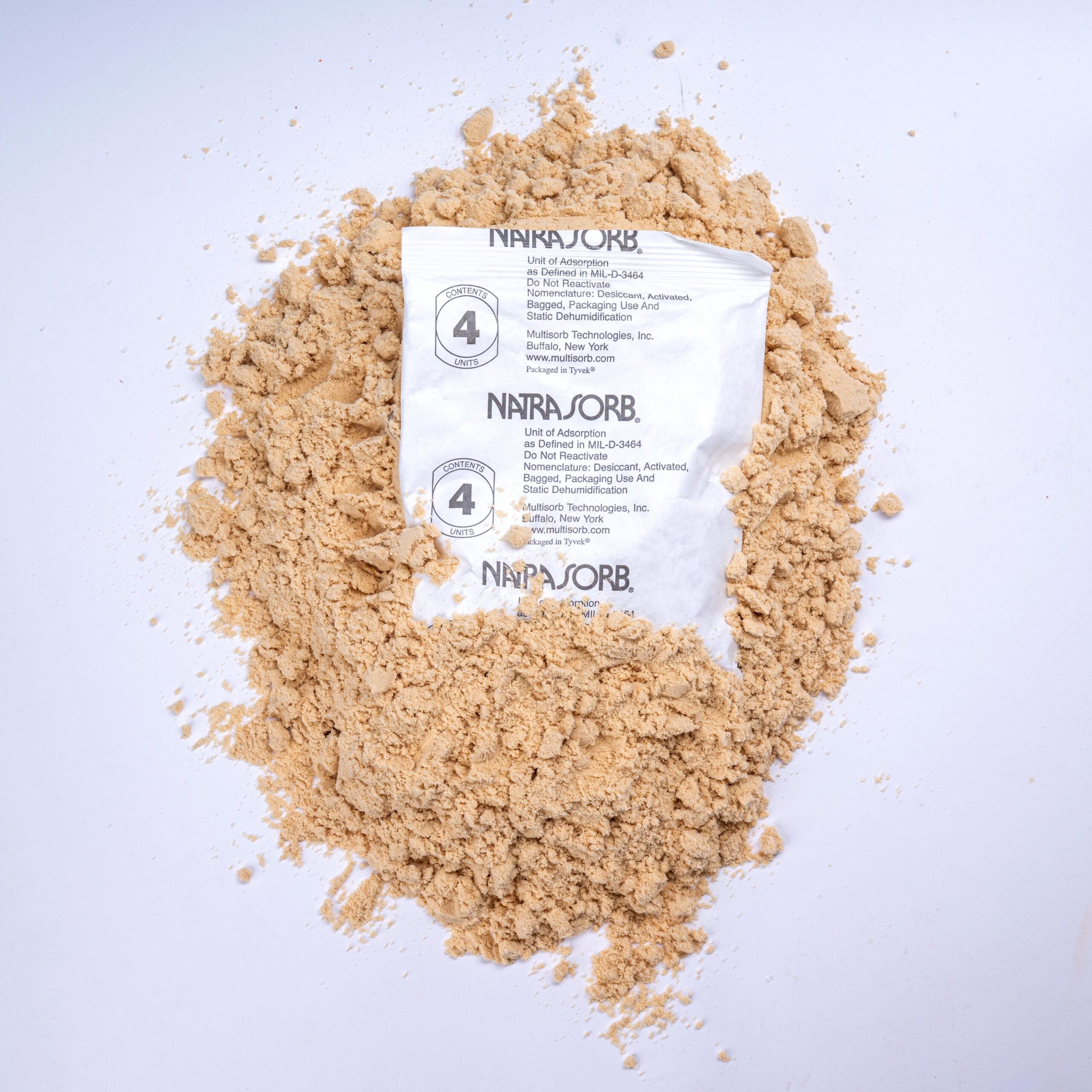
Desiccants help regulate humidity levels inside the package. Moisture control solutions help preserve texture consistency, crispness, powder flowability, and ingredient stability. Desiccants are widely used in freeze-dried foods, snacks, protein powders, and functional food applications.
For clean label manufacturers, active packaging provides an important advantage. By controlling oxygen and moisture exposure, manufacturers can extend shelf life while reducing reliance on preservatives.
Packaging is increasingly becoming part of the overall formulation strategy. Manufacturers can no longer treat packaging as a downstream operational decision. Packaging directly impacts shelf-life consistency, consumer perception, operational efficiency, and geographic expansion potential.
Many food manufacturers now evaluate packaging systems during product development itself. This includes assessing oxygen transmission rates, moisture vapor transmission rates, water activity, package geometry, seal integrity, and distribution conditions.
An integrated approach helps manufacturers balance clean label goals with operational performance.
Advanced packaging systems can also support ambient distribution opportunities. Products with improved shelf stability may reduce dependence on refrigerated logistics, lowering transportation costs and increasing retail flexibility.
Consistency becomes increasingly important as production scales. Small packaging inconsistencies can create uneven shelf life, waste, retailer complaints, and reduced consumer trust.
Consumers expect every package to deliver the same experience regardless of location, production batch, or time on shelf.
Sustainability goals further reinforce the importance of packaging innovation. Reducing food waste remains one of the industry’s most important environmental priorities. Packaging systems that help maintain freshness longer can reduce spoilage while supporting cleaner ingredient statements.
The future of clean label food manufacturing will increasingly depend on packaging systems engineered for oxygen control, moisture management, consistency, and operational efficiency.
Packaging is no longer passive. It has become a strategic component of food protection.
The brands that succeed in clean label markets will be those that integrate packaging strategy directly into product development, manufacturing, and distribution planning.
Clean label does not require sacrificing performance. It requires a smarter, more engineered approach to achieving it. Talk to our experts to learn how we can help.