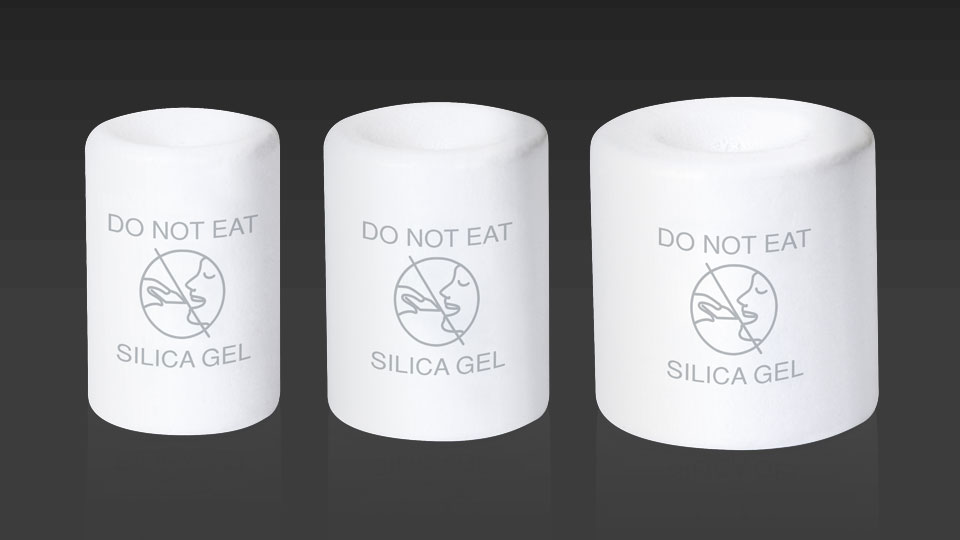
The gap between factory quality and retail reality often comes down to one factor: moisture migration. Learn more about moisture control and the importance of auditing your food packaging here:
What Is a Moisture Audit?
A moisture audit is a systematic, data-driven review of every point where water vapor can threaten product integrity, from ingredient prep to final storage. A moisture audit involves gathering hard numbers on headspace humidity, film-barrier performance, desiccant capacity, sealing accuracy, transit climate, and warehouse conditions. Unlike a one-off lab test, an audit traces moisture’s entire journey so you can spot where it sneaks in and how fast it accumulates.
Why Moisture Audits Matter for Product Integrity
Unchecked humidity does more than dull your food’s crunch. It fuels mold, clumps powders, fades colors, and speeds up rancidity in high-fat foods. The fallout is expensive, retailer charge-backs, write-off dumpsters, customer complaints, and in worst cases, recalls. A moisture audit quantifies these risks before they bite your bottom line.
During a moisture audit, teams often discover that a fractional increase in in-pack relative humidity cuts months off shelf life with moisture. This is an insight that’s impossible to see from production data alone.
Who Conducts an Audit for Food Packaging?
Most brands start with an internal collaboration between QA, packaging engineering, and operations. They may bring in a third-party specialist to supply calibrated dataloggers, run barrier-film tests, or interpret the results. Supplier partners frequently join joint audits too, especially when verifying desiccant dosage or troubleshooting seal equipment. The broader the expertise, the clearer the corrective-action roadmap that follows.
How a Moisture Audit Is Conducted
Here’s a step-by-step breakdown of how a moisture audit is conducted:
Step 1: Baseline Data Collection
Auditors first pull historical returns, sensory scores, and water-activity records. This baseline frames which SKUs, routes, or warehouses show the most moisture-driven spoilage.
Step 2: In-Plant Line Assessment
Next comes a walk-through of the packaging line with handheld RH meters and thermal cameras. Auditors watch for residual product heat, open-station dwell time, and leaky compressed-air hoses that can add moisture.
Step 3: Real-Route Transit Monitoring
Teams then embed miniature humidity and temperature loggers inside finished packs or master cartons. These devices ride through the entire distribution chain—trucks, cross-docks, and store back rooms—recording spikes factory tests never capture.
Step 4: Laboratory Analysis
Back in the lab, sample films and tray stocks undergo MVTR (moisture-vapor transmission rate) and OTR (oxygen transmission rate) testing. Results show exactly how fast vapor can cross the barrier under known conditions.
Step 5: Corrective-Action Roadmap
All data points feed into a single dashboard. Auditors rank each risk node by spoilage impact and implementation cost, then recommend quick wins (resizing desiccants, tweaking seal dwell) and long-term fixes (switching to low-MVTR films, adding line-integrated cooling tunnels).
Common Issues an Audit for Food Packaging Reveals
A packaging moisture analysis can uncover a huge range of issues with your products. Here are a few examples:
Undersized or Misplaced Desiccants
Teams often find packets chosen on legacy specs that no longer fit faster line speeds or hotter shipping lanes. An audit pinpoints exact headspace humidity so packets can be resized or repositioned.
High-MVTR Films on Hot Routes
Film that performs in mild climates can leak vapor like a sieve in tropical distribution. Data loggers prove when moisture gains track perfectly with temperature spikes.
Residual Product Heat
When baked snacks hit the filler above 90 °F, they vent water vapor that overwhelms a small packet. A five-minute cooling tweak after the fryer sometimes saves months of shelf life.
Seal-Integrity Failures
High-speed jaws can chatter, trapping channels that wick ambient humidity straight into the pouch. Dye-penetration tests during a moisture audit catch these invisible leaks.
Warehouse Humidity Surges
An audit frequently shows RH skyrocketing after thunderstorms or shift-change door cycles. Simple HVAC set-point adjustments or localized dehumidifiers cure the problem.
Want to launch a moisture audit but not sure where to start? Explore our desiccant solutions to discover which desiccants may be the best solution for you:
Turning Audit Findings Into Shelf-Life Gains
A moisture audit for food packaging is only as valuable as the actions that follow. Once the data is in hand, packaging teams can layer fixes that reshape shelf-life strategy for years.
Quick Wins You Can Implement Tomorrow
Right-Size Desiccants: The simplest fix usually delivers the biggest bang. If an audit shows headspace RH hovering just above your target, moving from a 0.5-gram to a 1-gram packet often knocks returns down by half or more. One bakery cut staleness credits 70 % with this single tweak.
Protect Packet Staging: Operators sometimes leave open boxes of desiccants near steamy equipment. Transferring packets to sealed, gasketed bins prevents pre-saturation and has been shown to slash customer complaint calls within weeks.
Film and Barrier Upgrades
Switch to Foil or Metallized Structures: Medium-barrier PET/PE films may work in mild climates, but an audit can reveal they leak vapor on hot routes. Upgrading to a foil-based laminate added six months of shelf life to a premium nut mix without changing the formulation—or the retail price point.
Add Functional Coatings: When foil is overkill, high-barrier EVOH or nanocomposite coatings often close the gap at a lower cost per unit.
Process Tweaks Inside the Plant
Extend Cooling or Dry-Down Time: Residual oven heat can drive condensation once a pouch is sealed. A five-minute extension on the cooling conveyor reduced in-pack humidity by 20 % for one cracker line.
Tighten Seal Integrity: Dye-penetration tests uncovered that a filler was operating 10 % faster than spec, causing micro-channels in the seal. Dialing speed back by a modest 5 % eliminated hidden leaks without hurting throughput targets.
Warehouse and Distribution Corrections
Targeted Dehumidification: Audits for food packaging often show RH spikes after storms or night-shift door cycles. Installing spot dehumidifiers in receiving bays stabilized humidity and cut mold incidents in half for a dried-fruit brand.
Pallet-Wrap Venting: Convection trapped under tight stretch-wrap can create a greenhouse effect. Switching to vented wrap reduced peak pallet temperatures by 12 °F (6 °C) during truck staging.
Closing the Feedback Loop
Every corrective step feeds back into the same KPIs established during the baseline phase: defect rates, write-offs, sensory panel scores, and water-activity curves. As those metrics improve, finance sees clear ROI, QA trims hold times, and sales can confidently push “best-by” dates further out. The cycle then repeats: new data informs the next round of fine-tuning, ensuring shelf-life performance keeps pace with line expansions, route changes, and evolving consumer expectations.
Key Takeaways for Packaging Teams
A moisture audit for food packaging is not a one-time event; it’s a living risk-management tool. Run one annually or whenever you change a film, formulation, or route. Use the data to right-size packets, verify film specs, tighten seals, and optimize warehouse climates. In doing so, you transform moisture from an unpredictable saboteur into a controllable variable and you protect your product, reputation, and revenue.
Turn Surprises Into Sustainable Success
Ready to uncover hidden moisture risks and turn shelf-life surprises into predictable success? Reach out to Multisorb’s team for expert audit templates, in-pack monitoring tools, and customized moisture-control strategies that keep quality high and waste low.