
Production Line Design: How to Build an Efficient Packaging Line
An efficient packaging operation doesn’t happen by accident. It starts with thoughtful production line design that balances speed, reliability, and scalability.
Why Production Line Design Matters
Even when upstream production runs smoothly, a poorly designed packaging line can limit output and increase costs.
Start With Product Requirements
Container type, moisture sensitivity, and regulatory requirements all influence line design. For moisture-sensitive products, integrating desiccant insertion early is critical.
Learn about our sorbent products
Balance Line Speeds
Each machine must operate at compatible speeds. Imbalance creates bottlenecks and downtime.
Integrate Automation Early
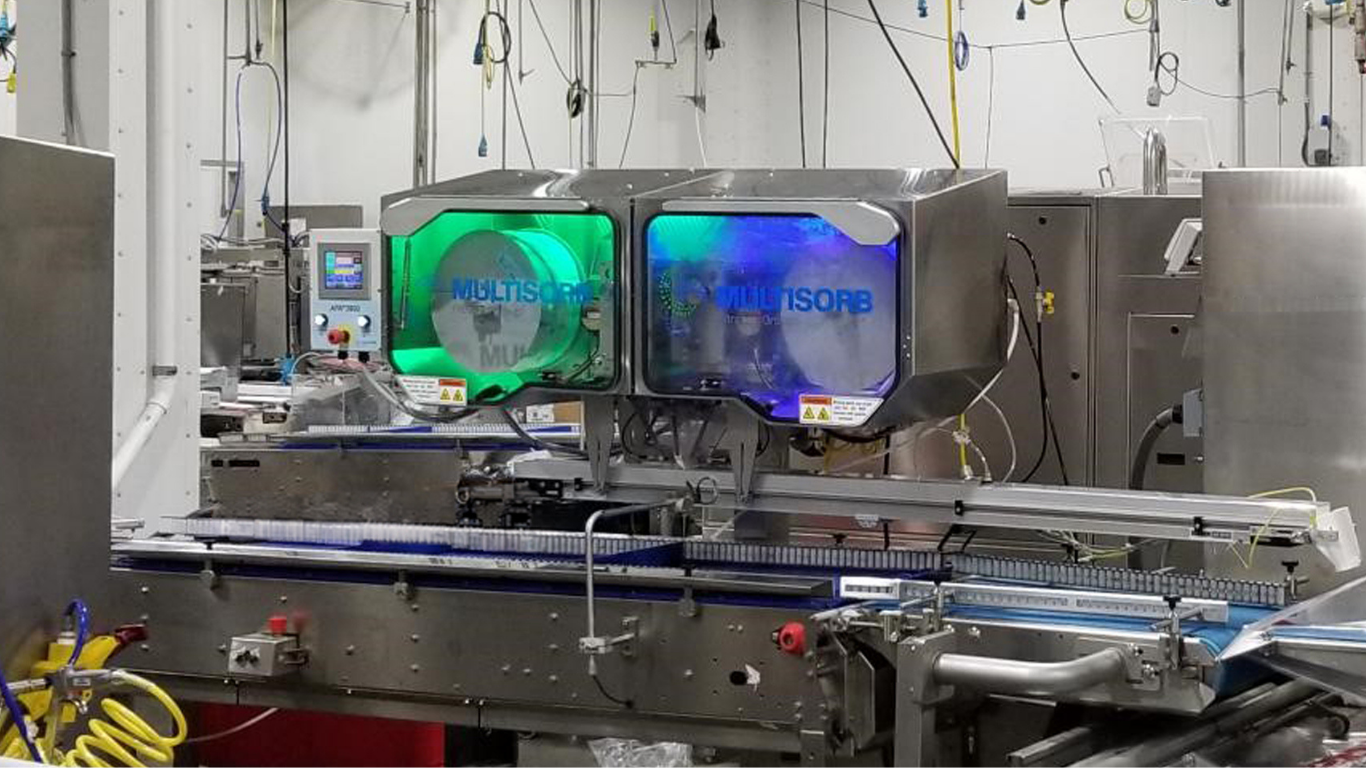
Automation reduces variability and improves throughput. Automated dispensers ensure consistent insertion without slowing the line.
Multisorb Automation Equipment
Maintain Consistent Flow
Proper spacing, alignment, and sensors ensure smooth container movement and improve accuracy.
Take a look at Multisorb’s APA Equipment Series
Design for Scalability
Modular systems allow for expansion without redesigning the entire line.
Use Data to Improve Performance
Track throughput, downtime, and reject rates to identify inefficiencies.
Train Your Team
Well-trained operators ensure long-term efficiency and faster issue resolution.
FAQ Section
What makes a production line efficient?
Balanced speeds, automation, and consistent flow.
How do you reduce bottlenecks?
Align equipment speeds and integrate automation.
When should automation be added?
During initial design or when scaling production.
Conclusion
Efficient production line design combines planning, automation, and continuous improvement.
Request a Production Line Efficiency Assessment