Eliminating Bottlenecks with Automated Packaging Systems
Keep Packaging Lines Moving at Peak Performance
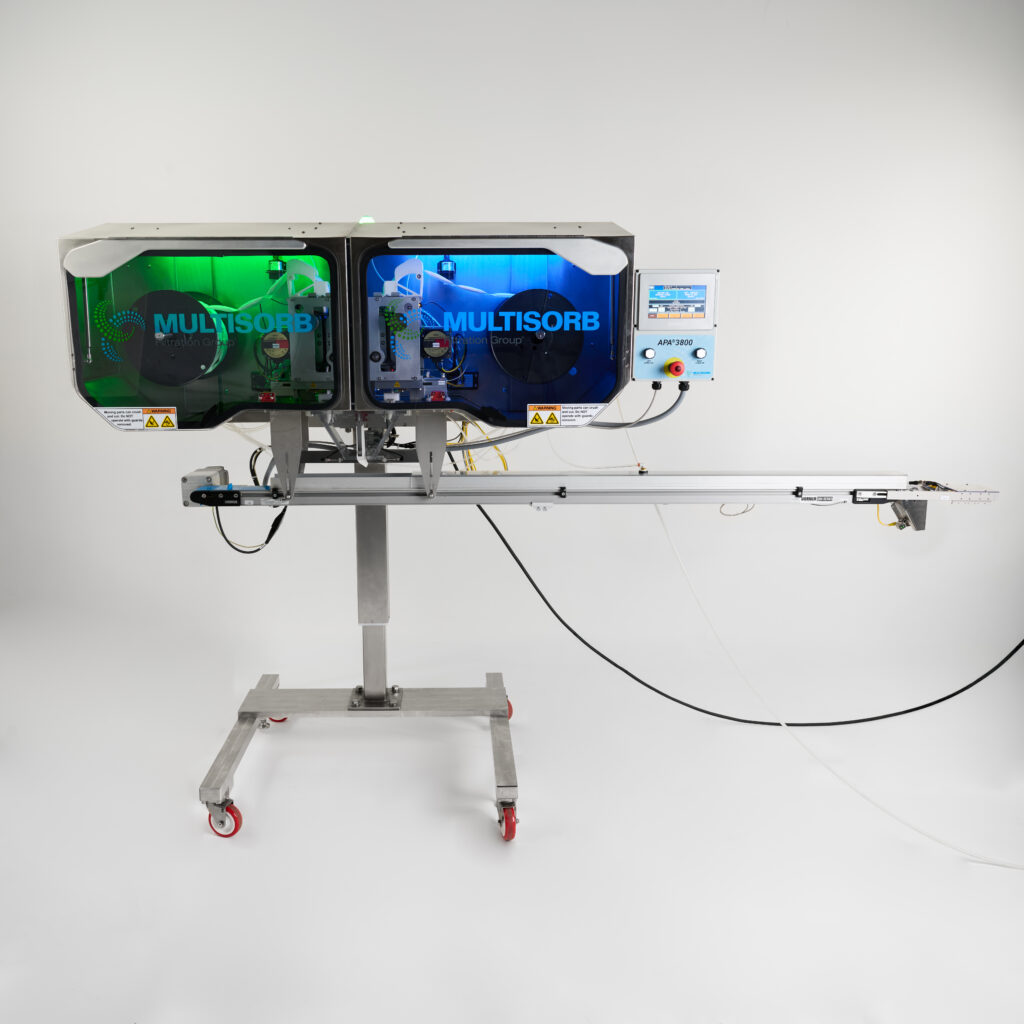
Automation Works Best When Systems Are Engineered Together
Even well-designed production lines can experience slowdowns. Manual processes, inconsistent material flow, equipment reloads, and unplanned interruptions can all create bottlenecks that reduce overall line efficiency and impact production output.
Common signs of packaging bottlenecks include:
- Frequent line stoppages or equipment reloads
- Manual processes slowing production flow
- Packaging operations lagging behind
- Increased downtime caused by jams, misfeeds, or maintenance
- Delayed shipments or production scheduling challenges
Benefits of Automated Packaging Systems: Improve Efficiency Across the Entire Line

Increase Output
Automated packaging systems help maintain consistent line speeds and reduce interruptions that can slow production.

Reduce Downtime
Minimize disruptions through reliable dispensing, integrated system controls, and streamlined line operation.

Improve Efficiency
Optimize labor resources, improve workflow consistency, and maintain more predictable production schedules.

Support Supply Chain
Maintain delivery timelines, reduce operational delays, and respond more effectively to changing production demands.

Lower Operating Costs
Lower total operating costs over time by reducing downtime, minimizing product waste, and improving production consistency.

Scale Production
Provide a stronger foundation for scaling operations by adapting to increasing volumes and evolving packaging requirements.
Signs Your Current Process Is Reaching Capacity
As production demands increase, packaging systems that once supported operational goals can begin limiting overall line performance.
Common indicators that it may be time to scale include:
- Packaging operations are struggling to keep pace with production
- Frequent line stoppages or reload interruptions
- Increasing downtime related to maintenance or jams
- Inconsistent performance across shifts or production runs
- Delays impacting scheduling or supply chain timelines
- Limited flexibility to support future production growth